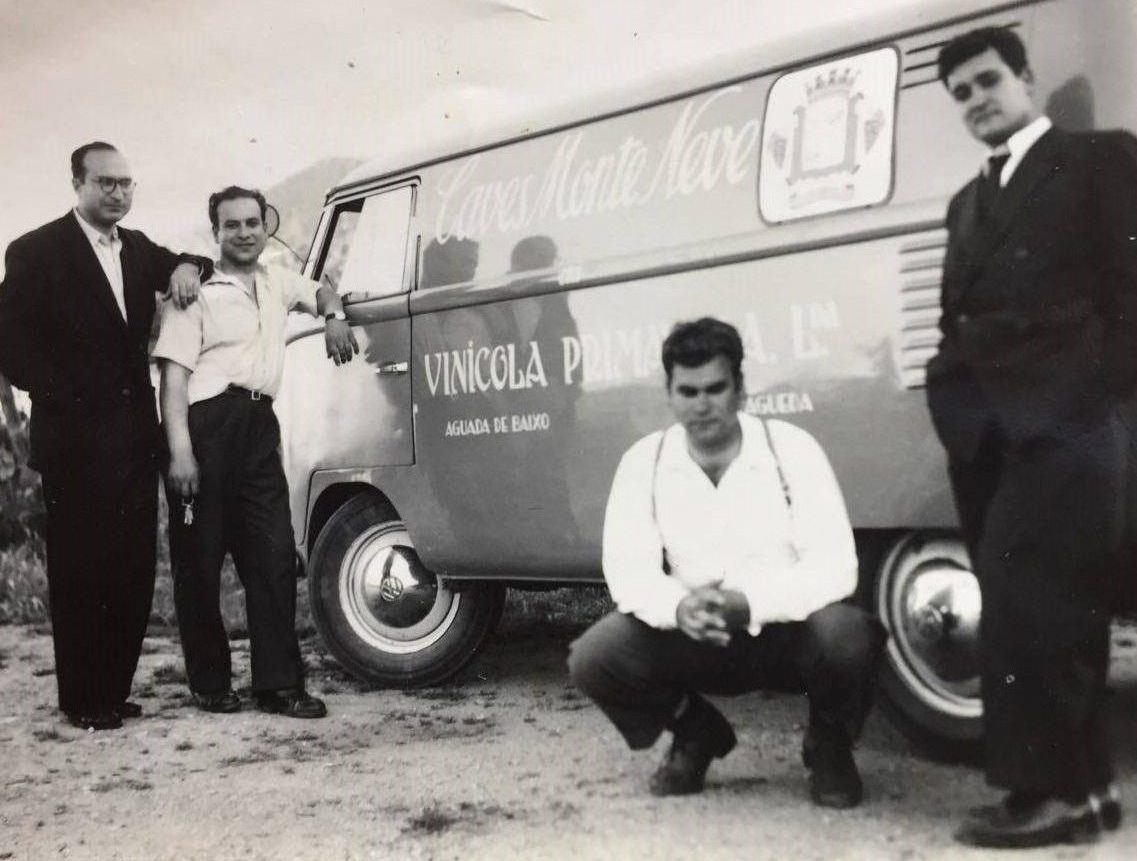
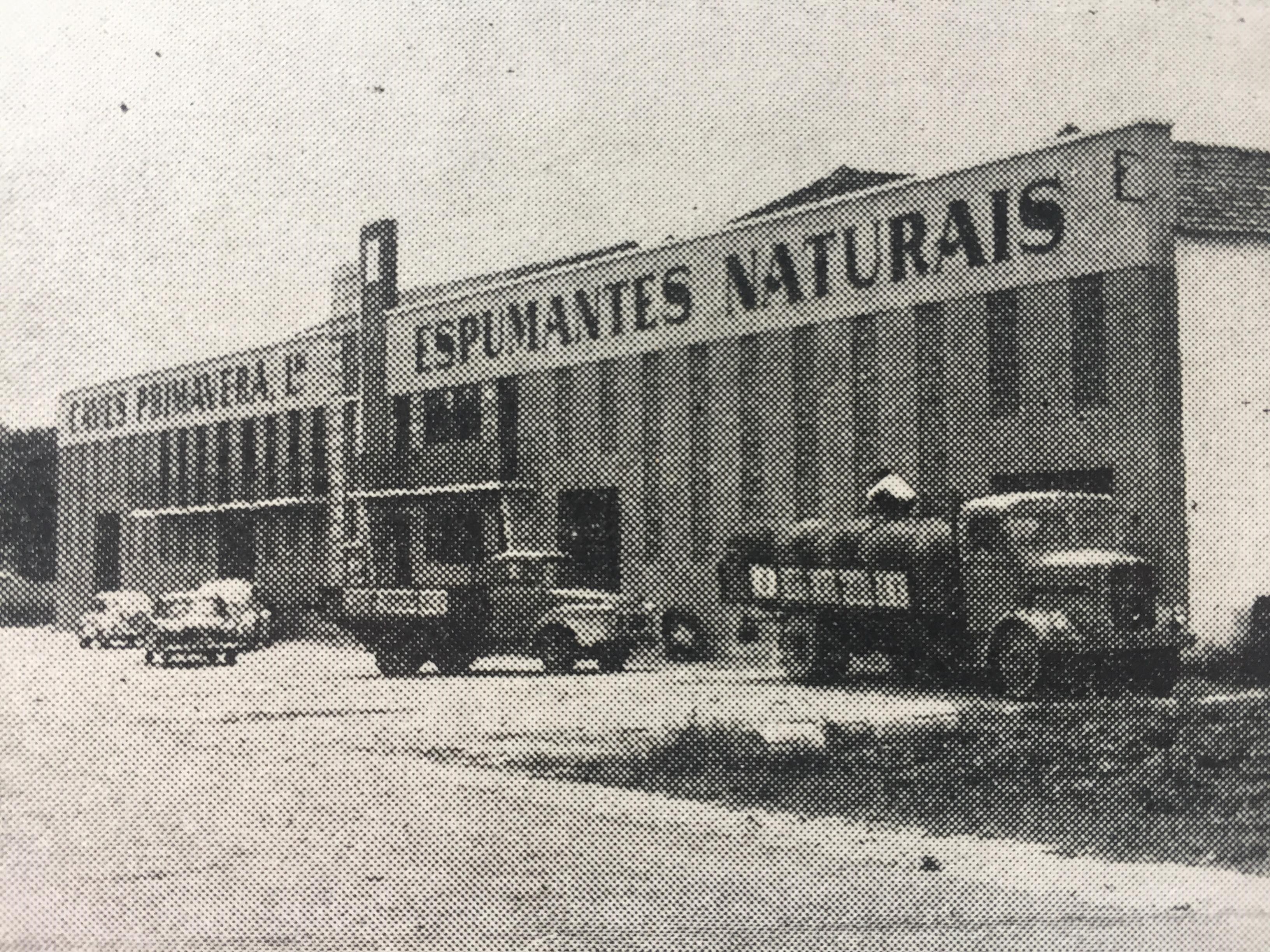
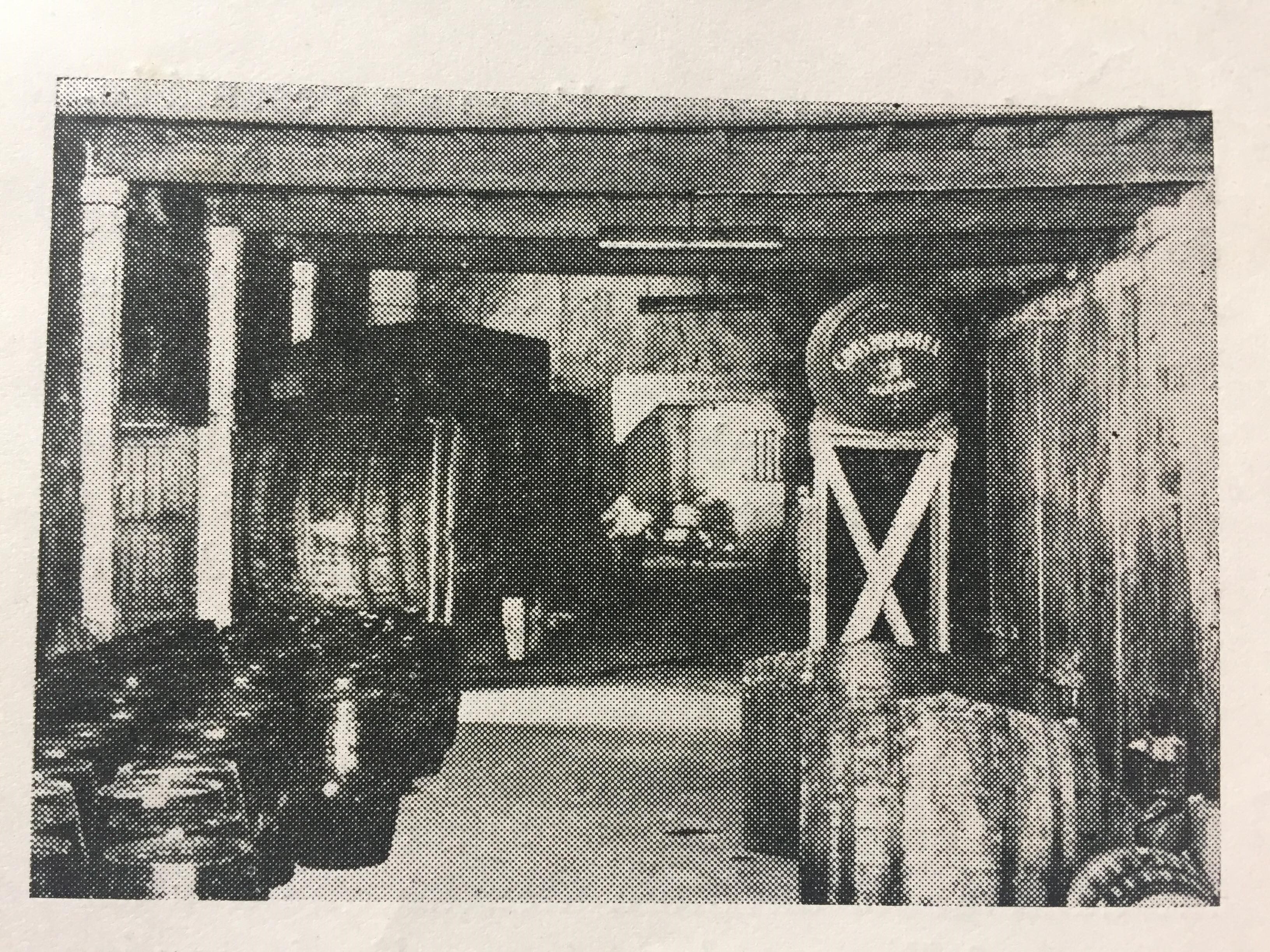
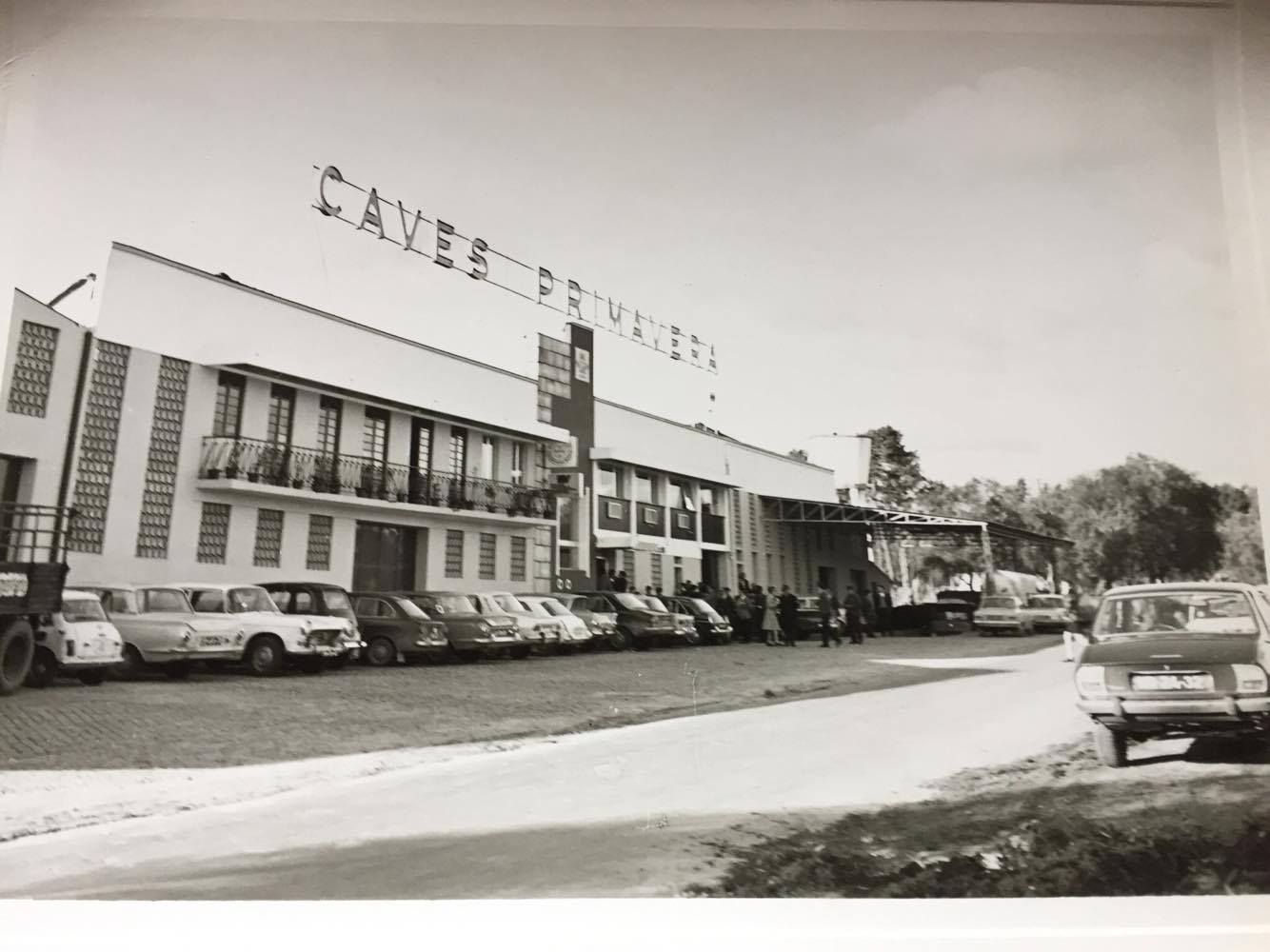
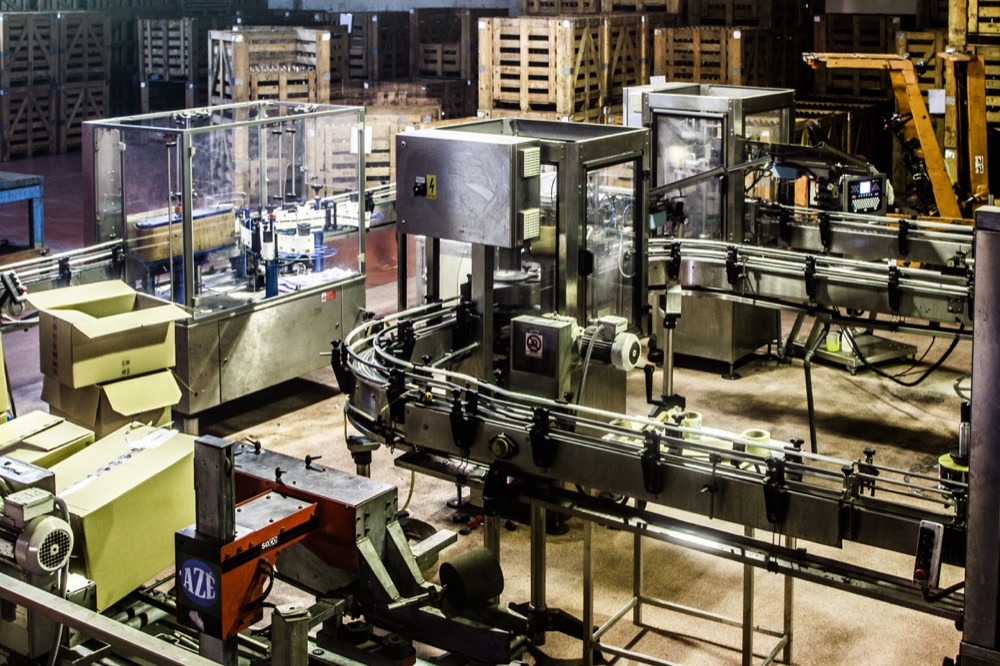
Firstly, the company activity centred around the production of dry wines (at the early stage of the company they were dedicated to the production of “pirolitos” a non-alcoholic beverage that had a glass cork to cover the content of the round and big bottle). As the company grew, it started to diversify its activity, therefore needing bigger facilities. In 1954 the current facilities were inaugurated, and the company started to produce and commercialize sparkling wines and liquors.
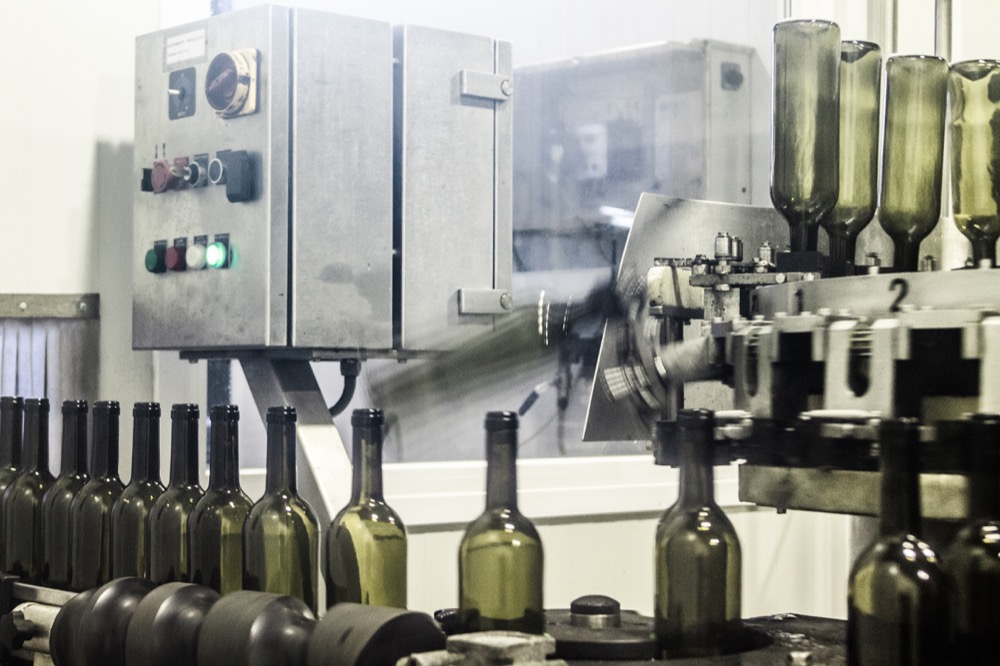
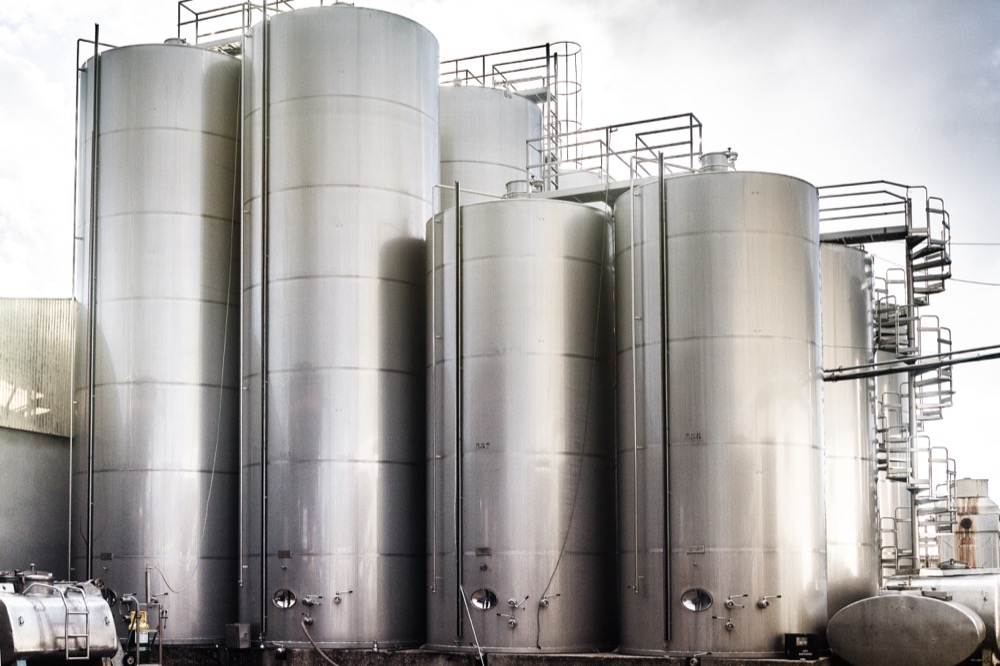
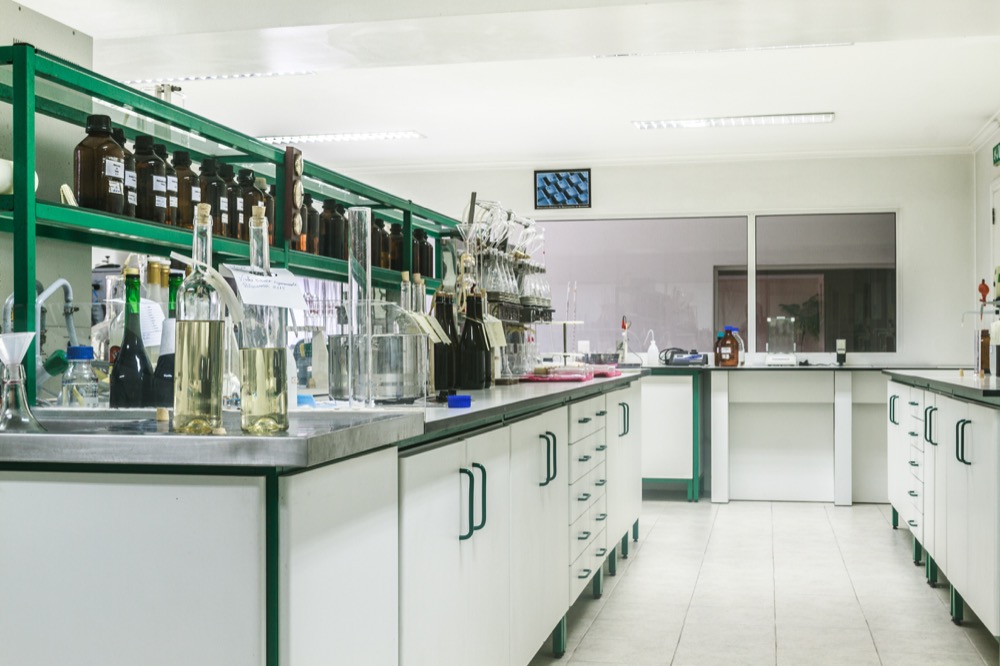
The next decades represented a time of incredible growth for Caves Primavera: in the 70’s we had the enlargement of the cellar and the automation of several production processes and the got more acquiring power due to the export strand and the development of good businesses with the PALOP’s, that accentuated after 1975, after the independency of such countries. The 80’s initiated with the modernization of the equipment’s and facilities, and continue with years of great commercial growth due to the success of the sales of bottled wines. In the 90’s the company invested in the construction of a winemaking centre, were today we produced all of our Bairrada and Beiras wines and occurs the yearly harvest between September and October of each year. In the last few years Caves has invested in small layout changes and innovations in key areas: lab, filling zone, equipment’s for degorgment and obtained the certification in the quality norm ISO 9001 (first certification in the norm in 1999, nowadays certified in the 2015 version of the norm) and consolidated the growth in sales for outside markets – especially in the Scandinavian markets. Exportation represents nowadays nearly 40% of our total sales.